
EDINBURGH. Booking a room in Scotland’s capital now comes with a line most visitors have never seen in the UK. Since 24 July 2026, every overnight guest in Edinburgh pays a 5% visitor levy on top of the room price, whether they’re in a five-star suite or on a campsite pitch at the edge of town.
Edinburgh is the first city in the UK to make a tourist tax compulsory for everyone who stays the night. It won’t be the last. Glasgow switches on its own 5% charge on 25 January 2027. Aberdeen has signed off 7%, the steepest rate approved anywhere in Scotland so far, from April 2027. The Highlands, Moray, Perth and Kinross, Dundee and Falkirk are all asking residents what they think right now.
The tourism industry is not happy. Leon Thompson, who heads UKHospitality Scotland, called Edinburgh’s launch “a landmark moment for all the wrong reasons.” Marc Crothall of the Scottish Tourism Alliance said there is “great uncertainty around how visitors will respond.” In Inverness, Colin Marr of the local Chamber of Commerce put it more bluntly: “a 5% visitor levy is too high and will put some visitors off.”

The council sees it differently. Edinburgh expects the levy to bring in up to £50 million a year, and it has already decided how to spend the first £90 million, from public toilets and street cleaning to a new city-centre policing unit and money for affordable housing. Council leader Jane Meagher says the city now has “a unique opportunity to invest more” in what makes Edinburgh special.
A law that had to be fixed before it even started

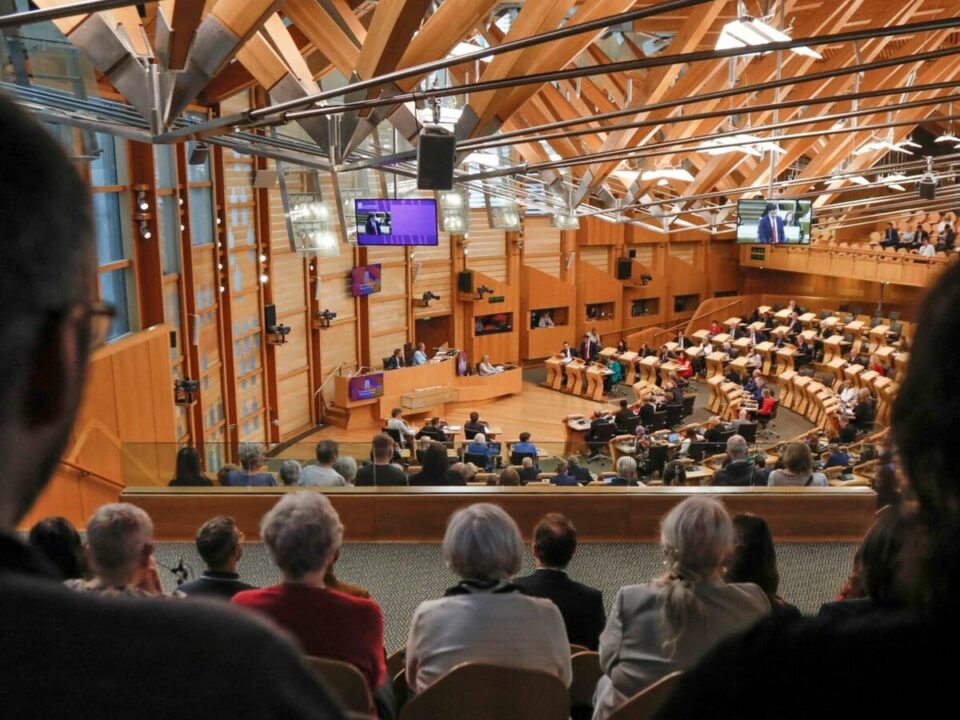
The idea has been around for years. The Visitor Levy (Scotland) Bill was introduced in May 2023, passed by the Scottish Parliament on 28 May 2024, and became law on 5 July 2024. It let each of Scotland’s 32 councils decide for itself whether to add a percentage charge to overnight stays.
Then the complaints started. Self-catering owners pointed out that many booking websites couldn’t even display the levy, let alone apply Edinburgh’s five-night cap. Island councils had a different problem: their biggest crowds arrive by cruise ship, and cruise passengers don’t book a bed, so they’d never pay. In September 2025, Orkney dropped the idea after a joint study with Shetland and the Western Isles found strong local opposition and little money to be made. Argyll and Bute and East Ayrshire stepped back too.
So Holyrood rewrote the rules. The Visitor Levy (Amendment) (Scotland) Act, passed in March 2026, lets councils charge a fixed amount instead of a percentage, and even change that amount with the seasons. Hotels and hosts can also keep part of what they collect to cover the admin.
That change is why the next wave of tourist taxes may look nothing like Edinburgh’s. Highland Council, which covers Inverness, Skye and most of the North Coast 500, is consulting on a tiered flat charge, reported at £5 per room per night for hotels and short-term lets and £2 for hostels and campsites. It would only apply nine months of the year, skipping December to February.

Scotland’s tourist tax: what it means for your trip
If you’re planning a trip, here’s the practical side: where you’ll pay, how much, and a few legitimate ways to keep the cost down.
Where you’ll pay the visitor levy
Right now, Edinburgh is the only place in Scotland actually charging it. Here’s where everyone else stands as of October 2026.
| Area | Charge | Starts | Good to know |
|---|---|---|---|
| Edinburgh | 5% of the room price | 24 July 2026 | Charged on the first 5 nights only |
| Glasgow | 5% of the room price | 25 January 2027 | No five-night cap announced |
| Aberdeen | 7% of the room price | April 2027 | Highest rate approved so far |
| Highland (Inverness, Skye, NC500) | Flat nightly charge proposed | Not before 2028 | Council decision due December 2026 |
| Moray, Perth and Kinross, Dundee, Falkirk | Undecided | TBC | Public consultations close in October and November 2026 |
| Orkney, Shetland, Western Isles, Argyll and Bute, East Ayrshire | None | n/a | Decided against a levy for now |
How much will it cost you?
The levy is worked out on the room price before VAT (20% in the UK), and it only covers the room. Meals, drinks, parking and anything else on your bill aren’t included. Some quick examples:
- An Edinburgh hotel at £180 a night (£150 before VAT) adds £7.50 a night. Stay a week and you only pay it for five nights, so £37.50 in total.
- A £120 room in Glasgow (£100 before VAT) adds £5 a night from January 2027. Glasgow’s own estimate is an average of £4.83 a night.
- The same £100 pre-VAT room in Aberdeen adds £7 a night from April 2027.
- A £30 hostel bed in Edinburgh (£25 before VAT) adds £1.25.
For a typical week in Scotland, expect something like £20 to £50 in total, depending on where you sleep and how fancy the room is.

What counts as accommodation?
Pretty much anywhere you pay to sleep. In Edinburgh that means hotels, B&Bs, guest houses, hostels, aparthotels, Airbnb and other short-term lets, student rooms rented to visitors, caravan and camping pitches, and even boats moored in one place. Business travelers pay it too, and there’s no discount for children.
Cruise passengers and day-trippers don’t pay anything, because the levy only applies to paid overnight stays on land.
Can you avoid paying it?
If you’re visiting from the US, probably not. The only refunds go to people receiving certain UK disability or war-pension benefits (or disability benefits from an EU country, with proof of UK residency). They pay at check-in and claim the levy back from the council once the stay is over.
There is one timing quirk. Edinburgh only charges the levy on bookings made from 1 October 2025, so anyone who booked earlier for a stay after July 2026 escaped it. Glasgow’s charge applies to stays from 25 January 2027, which means a Glasgow trip before then is still levy-free.
How you’ll actually pay it
There’s no tax booth at the airport. Your hotel or host collects the levy and passes it on to the council. On Airbnb, Vrbo and the big hotel booking sites, it should appear in the price breakdown, so check the total before you confirm. If you’re booking direct with a small B&B, ask whether the price they quoted already includes it.
Where the money goes
By law, the money has to be spent on facilities and services used by visitors. Edinburgh’s first three-year plan, worth more than £90 million, includes:
- Upgrades to Portobello Promenade, the Cramond foreshore and Hunter Square
- £5 million to restore Leith Theatre, and £3 million toward turning the Old Royal High School into a national music centre
- A city-centre policing unit and £850,000 for extra CCTV
- More public toilets, street cleaning and graffiti removal
- A housing fund that could help deliver 472 affordable homes
How to keep the levy down
- Stay longer in Edinburgh. The charge stops after the fifth night, so seven nights cost the same in tax as five.
- Split your trip. Sleeping in a town with no levy (Stirling and the Scottish Borders don’t have one) and visiting Edinburgh for the day is perfectly legal, and often cheaper anyway.
- Visit Glasgow before 25 January 2027 if your dates are flexible.
- Compare total prices, not nightly rates. The levy, VAT and cleaning fees can change which option is actually the cheapest.
Will a tourist tax put people off Scotland?
Probably not many. Tourist taxes are normal across Europe. Amsterdam charges 12.5% of the room price, the highest in the EU, and Paris, Rome, Barcelona and Venice all have their own. Closer to home, Manchester has added £1 a night to hotel stays since 2023, and Wales will let its councils charge £1.30 per person per night from April 2027.
The people most likely to notice are Scottish and English weekenders, wedding guests and conference crowds, for whom a few extra pounds a night adds up fast. The Scottish Tourism Alliance wants the effects watched closely, and Edinburgh has promised to review its scheme every three years.
For now, the levy adds a few pounds a night in Edinburgh and nothing anywhere else. By 2028, a good chunk of a classic Scotland itinerary could be charging something. Budget for it, check the price breakdown when you book, and it shouldn’t change your plans.
Read also: Scotland’s Tourism Bounces Back, Surpassing Pre-Pandemic Levels!
Sources: Visitor Levy (Scotland) Act 2024; Visitor Levy (Amendment) (Scotland) Act 2026; City of Edinburgh Council; Glasgow City Council; Highland Council; Scottish Government
